
Event Highlights
Showcasing India Energy Stack at the India AI Impact Summit 2026
FSR Global
India Energy Stack
17 March 2025
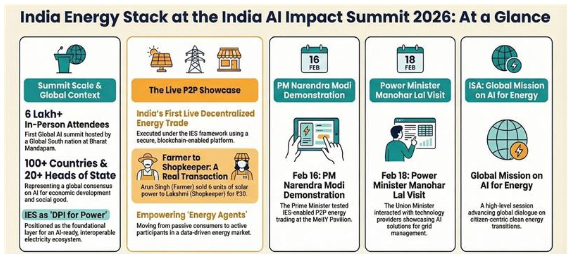
The India AI Impact Summit 2026, held at Bharat Mandapam in New Delhi from 16 to 21 February, was the fourth in a series of global AI summits — after Bletchley Park, Seoul, and Paris — and the first hosted by a Global South country. According to the organisers, over six lakh people attended in person, with delegations from more than 100 nations.
At this impressive stage, India Energy Stack was unveiled to the larger ecosystem for the first time by the Ministry of Power, REC Limited (nodal agency) and FSR Global (knowledge partner) with support from the Ministry of Electronics and Information Technology (MeiTY) and Networks for Humanity (NFH).
With rising electricity demand, rapid renewable integration, and the growth of distributed energy resources, India’s grid needs interoperable, shared, and secure infrastructure that solves for coordination between millions of devices and thousands of users. IES addresses this and more.
An open-standards-based framework, IES is for the power sector what UPI was for digital payments and Aadhar for identity.
The teams actively presented this vision and architecture to a variety of stakeholders — from Union Ministers, industry stalwarts, and civil society professionals to the wider public and school students.
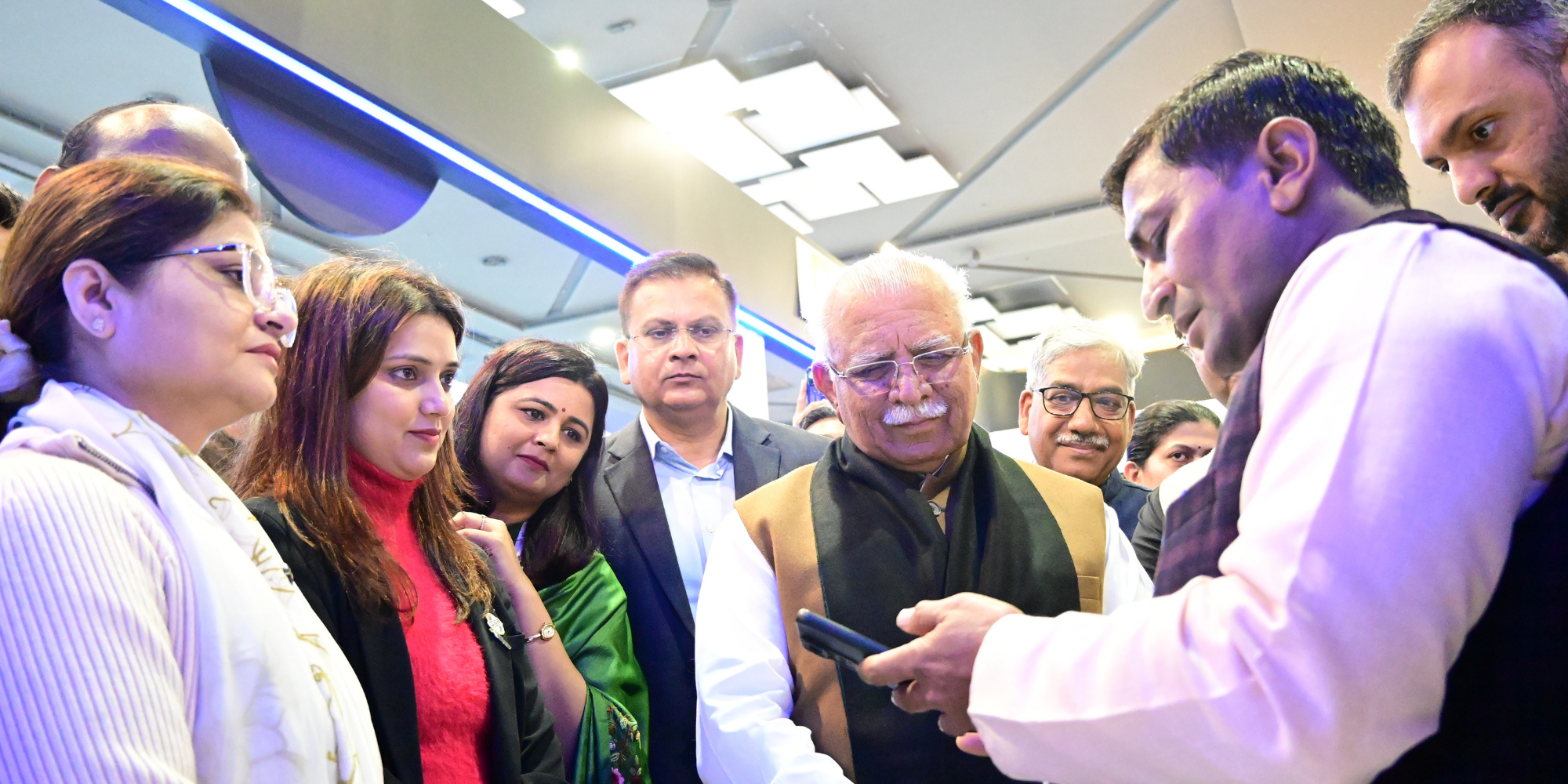
They emphasised the secure, consent-based exchange between participants, which is a key design principle of IES — it neither centralises nor processes data. Computation stays at the host node level, with IES providing the shared digital rails.
IES demonstrated to PM Narendra Modi
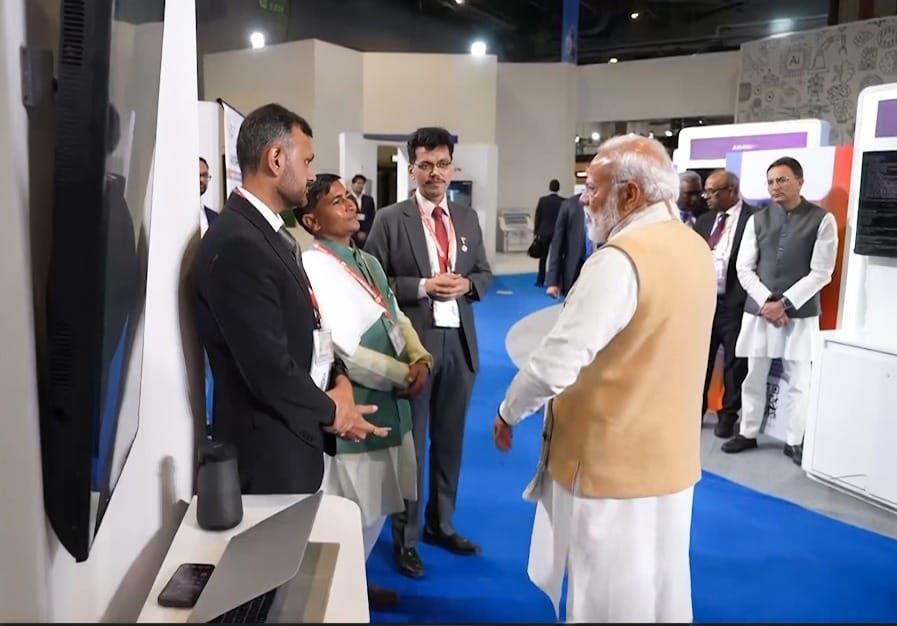
On February 16, 2026, a live peer-to-peer energy trade was shown in real-time to Hon’ble Prime Minister Narendra Modi by Shashank Misra, Joint Secretary at Ministry of Power, and Prince Dhawan, Executive Director at REC Limited.
Peer-to-peer energy trading is one of the use-cases of IES. Additionally, Arun Kumar, one of the earliest beneficiaries of this use-case, also interacted with PM Modi.
An AI-ready Power Sector
At the Summit, a few key sessions centred IES.
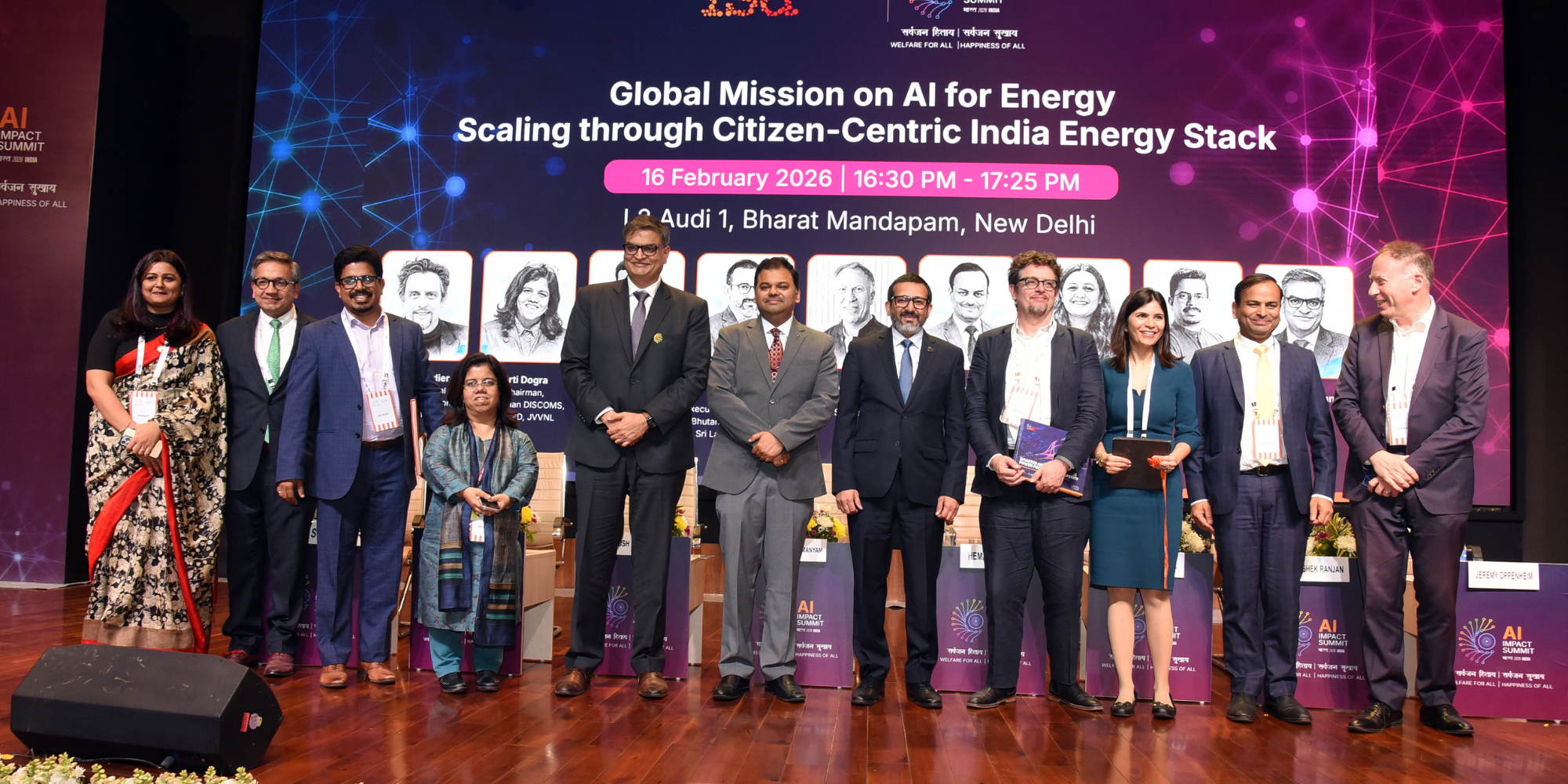
On February 16, 2026, the International Solar Alliance led a high-level convening on the Global Mission on AI for Energy: Scaling through a Citizen-Centric India Energy Stack. The session focused on AI’s role in grid modernisation, scaling decentralised renewables, and building citizen-centric digital energy systems. It also featured the launch of a report titled ‘Smarter and Citizen-centric Power for Shared Prosperity: Unleashing the Potential of Digitally- and AI-enabled Power Systems’.
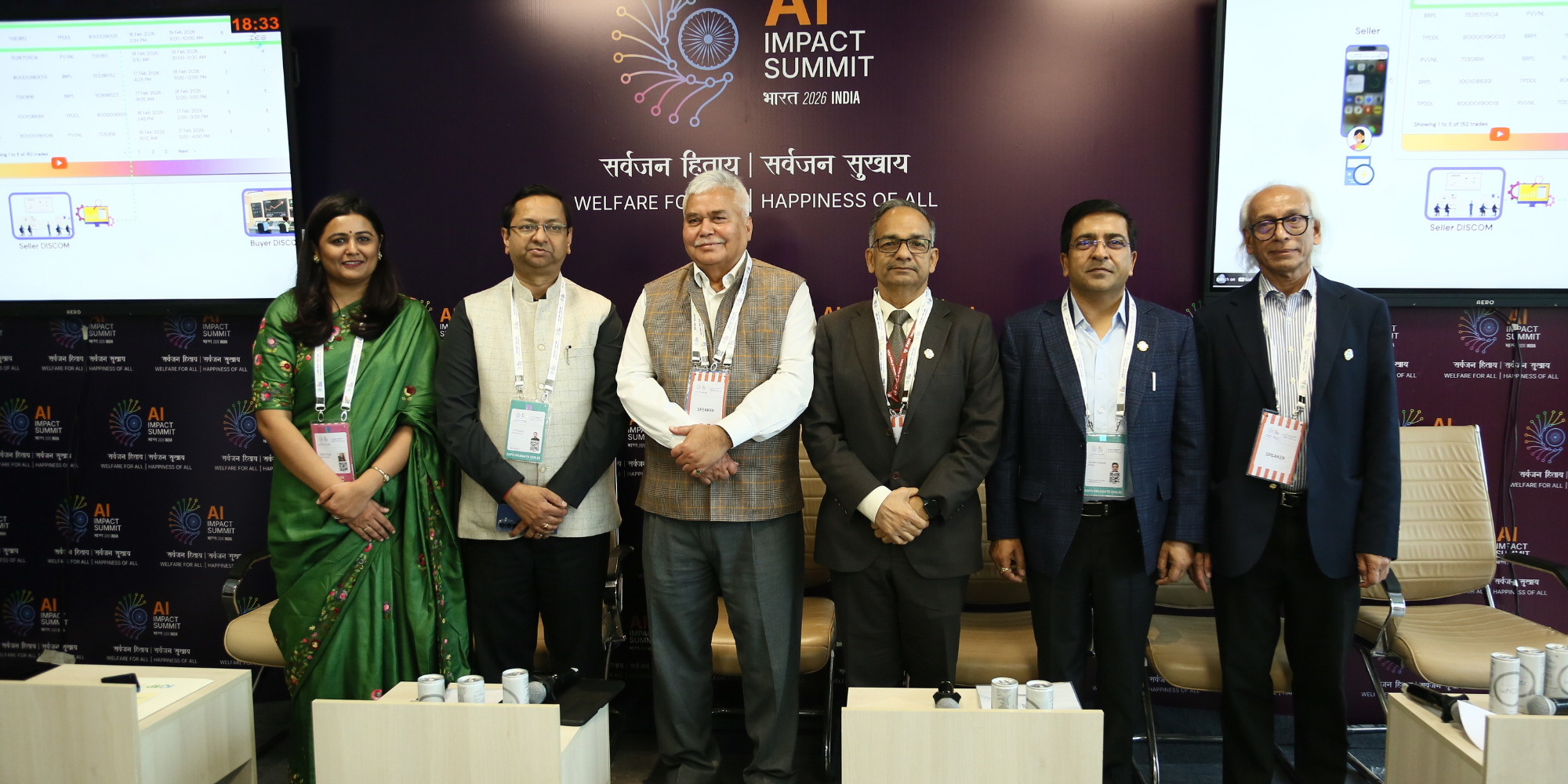
On February 18, 2026, FSR Global and REC Limited held their session titled ‘India Energy Stack and the AI-Ready Power Sector: Trust, Interoperability, and Scale‘.
This session demonstrated a live interstate peer-to-peer energy trade between Arun Singh, a farmer from Meerut, and Lakshmi, a garment shop owner in Delhi. They used voice-notes on a WhatsApp interface, wherein Arun sold six units of surplus solar electricity to Lakshmi, through a digitally verified platform. He earned ₹30.
The electricity itself travels through the existing grid — this was not a physical bilateral delivery — but the transaction demonstrated that the IES rails can support standardised, trust-based energy settlements between individuals. Over time, this is the kind of digital foundation on which AI-driven analytics, automation, and market applications can be built.
Among those present were Dr. Ram Sewak Sharma, Chair of the India Energy Stack; Jitendra Srivastava, CMD, REC Limited; Ashish Kumar Goel, Chairman, Uttar Pradesh Power Corporation Limited; Alok Kumar, Director General, All India Discoms Association; Reji Pillai, President, India Smart Grid Forum; Prince Dhawan, Executive Director, REC Limited; and Swetha Ravi Kumar, Executive Director, FSR Global.
In closing
The Summit brought together a wide range of stakeholders, enabling formal and informal conversations around the evolving role of AI in the trajectory of Viksit Bharat 2047. For IES — still early in its journey, with version 0.3 of the strategy and architecture documents released — this brought great visibility towards the framework and its eventual impact.
We’re grateful for the support of partners across the power value chain, including technology service providers, DISCOMs, AI/ML startups, civil society organisations, ecosystem enablers and many others.
Follow us on LinkedIn and join our emailing list to stay abreast of new developments around IES. To collaborate, write to us at ies.secretariat@fsrglobal.org and ies.recindia.com, and visit ies.fsrglobal.org.